Public holidays in Cambodia
By Khmer Calendar editorial · Last updated 2026-09-26
Planning leave or a trip in Cambodia for 2026? This roundup gathers the gazetted public holidays alongside the major cultural festivals people actually observe. The traditional Khmer count, Chântôkôtĕ (ចន្ទគតិ), tracks moon phases yet stays locked to the sun so the seasons stay put. That is why several Buddhist dates drift on the Gregorian calendar — check the official circular before booking travel.
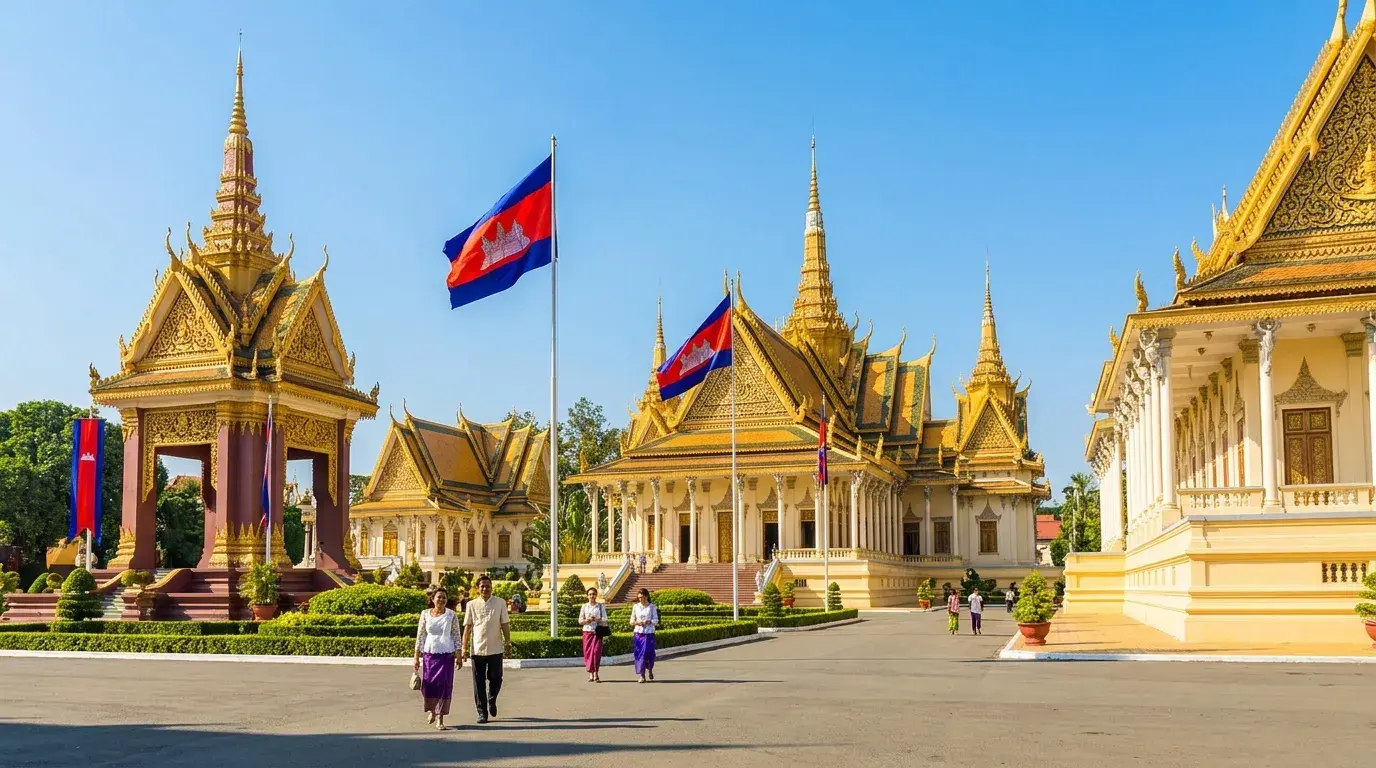
Public holidays in Cambodia
Cambodia's day-off calendar brings together national remembrance days and important Buddhist holy days. The old Khmer count, known as Chântôkôtĕ (ចន្ទគតិ), reads the moon but stays aligned with the solar cycle to hold the seasons steady. As a result, a handful of holidays move to new Gregorian dates every year, so offices and schools follow the yearly proclamation.
Public holidays
New Year's Day ទិវាបុណ្យចូលឆ្នាំសកល January 1 Opens the Gregorian year with a nationwide paid day off
Victory over Genocide Day ទិវាជ័យជម្នះលើរបបប្រល័យពូជសាសន៍ January 7 Marks the fall of the Khmer Rouge administration in January 1979
International Women's Day ទិវានារីអន្តរជាតិ March 8 Honours the achievements and rights of women in Cambodia and worldwide
Cambodian New Year ពិធីបុណ្យចូលឆ្នាំថ្មី ប្រពៃណីជាតិ April 14-16 Three-day solar new year and the liveliest family reunion on the calendar
Labour Day ទិវាពលកម្មអន្តរជាតិ May 1 Recognises the contribution of workers to the economy and society
Royal Ploughing Ceremony ព្រះរាជពិធីច្រត់ព្រះនង្គ័ល Moveable, April or May Royal field rite that opens the rice-planting season
King Sihamoni's Birthday ព្រះរាជពិធីបុណ្យចម្រើនព្រះជន្មព្រះករុណាព្រះបាទសម្ដេចព្រះបរមនាថ នរោត្ដម សីហមុនី May 14 Honours the birth of King Norodom Sihamoni in 1953
Queen Mother's Birthday ព្រះរាជពិធីបុណ្យចម្រើនព្រះជន្មព្រះមហាក្សត្រី នរោត្ដម មុនីនាថ សីហនុ June 18 Honours the birth of Queen Mother Norodom Monineath in 1936
Constitution Day ទិវាប្រកាសរដ្ឋធម្មនុញ្ញ September 24 Recalls the signing of the Constitution by King Norodom Sihanouk
Pchum Ben ពិធីបុណ្យភ្ជុំបិណ្ឌ 3 days Moveable, September or October Three-day Ancestors' Day when families feed monks and remember the dead
Commemoration Day of the King's Father ព្រះរាជពិធីគោរពព្រះវិញ្ញាណក្ខន្ធព្រះករុណាព្រះបាទសម្ដេចព្រះ នរោត្ដម សីហនុ October 15 Remembers King Father Norodom Sihanouk, founder of independence, who passed in 2012
Coronation Day of King Sihamoni ព្រះរាជពិធីគ្រងព្រះបរមរាជសម្បត្តិរបស់ព្រះករុណាព្រះបាទសម្ដេចព្រះបរមនាថ នរោត្ដម សីហមុនី October 29 Recalls the 2004 crowning of King Sihamoni
Independence Day ទិវាបុណ្យឯករាជ្យជាតិ November 9 Marks freedom from France in 1953
Water Festival ពិធីបុណ្យអុំទូក បណ្ដែតប្រទីប អកអំបុក និងសំពះព្រះខែ 3 days Moveable, October or November Honours the Khmer navy under Jayavarman VII with boat races
Peace Day ទិវាសន្តិភាព December 29 Notes the final Khmer Rouge stand-down in 1998
Other festivals
Dough Sokheng Festival November or December About a month after the Water Festival, kite-makers gather on the Maksir full-moon night, the opening month of the lunar count, usually in November or December. Families use the evening to ask for kind weather, full harvests and safety from floods and heavy rain. In folk stories the kite carries many meanings, from messages to the sky to village pride, and towns fly large kites wishing calm, liberty and joy for all. If you are in Phnom Penh, walk to open fields at dusk to watch the big cloth kites lift.
Silkworm Festival September Kept on the September full moon, this day honours the silk-weaving craft and the worm that gives the thread. The custom nearly vanished during the war years and was brought back by older women who still held the memory of raising worms and dyeing skeins. Workshops and pagodas display looms and cloth, and visitors can try feeding mulberry leaves and see natural dyes. It is a good morning trip for school groups learning village crafts.
Chinese New Year Festival January or February Spring Festival is widely joined in Cambodia across ethnic lines, a sign of cultural respect and the close friendship between the two peoples. Many believe it invites fortune for the year ahead, whatever their background. Lion dances called Mong Say parade through markets to drumbeats, red envelopes change hands, and shops often shut for a day or two while relatives travel home to eat together. Expect busy bus stations the night before.
Hei Neak Ta January or February This Spirit Parade closes the New Year season in a distinctly Khmer style. Elsewhere in Asia the Lantern rite lasts a single fifteenth-day evening, while here processions with spirit mediums, small shrines and music can run three to four days with offerings along the street. Families come to watch the mediums bless children and shops, a lively mix of Chinese roots and Khmer village ritual.
Mid Autumn Festival September or October Locals call it the Full Moon Festival, since Cambodia has no autumn season. Households prepare fresh flowers, cassava soup, pounded rice and cane juice, lay them on trays over large mats and salute the rising moon to request blessings. When the disc clears the branches, all press palms together.
Elders then feed pounded rice to children until they are full, a wish for completeness and good things. Mooncakes are shared for prosperity, tied to the tale of the rabbit in the moon and to the Khmer habit of praying to the moon. Even families with Chinese roots join in the same night.
Qingming Festival April Known locally as Chheng Meng or Tomb Sweeping Day, this Chinese-origin day brings families to ancestral graves with cooked food, tea and drink. In Cambodia it sits close in spirit to Pchum Ben, a moment to clean the plot, burn incense, and pray for health, work success and promotion. Morning visits beat the heat, and many combine the trip with alms at a nearby wat.
Siem Reap Puppet Parade February Held in Siem Reap since 2007, this arts parade shows off giant figures and shadow-puppet theatre made by local youth and artists. Daytime workshops teach paper and bamboo craft, and the evening march lights the puppets through the streets. It celebrates neighbourhood creativity and now draws large crowds each year, so book riverside guesthouses early.
Cambodian New Year
Khmer New Year, called Choul Chnam Thmey or Moha Sangkran and often shortened to Sangkran, means Enter the New Year and Great Turning. It is Cambodia's traditional solar new year, kept as a three-day public holiday. The opening day usually lands on 13 or 14 April, right after the harvest when farming families rest and enjoy their crop before the rains return.
Homes clean shrines, prepare sweets and pour water for elders. Cambodians living abroad often shift the party to a nearby weekend so coworkers can join.
The same solar turning is shared across the region, with temple fairs, folk games and family meals across all three days, matching the old new-year dates kept in Thailand, Laos, Myanmar, Sri Lanka, Nepal, Bangladesh and parts of India.
Pchum Ben
Pchum Ben, also called Phchum Bend or Sen Don Ta among Khmer Surin and Khmer Krom villages, means gathering rice-balls for forebears. It runs fifteen days and peaks on the fifteenth day of the tenth lunar month, just as the monks' rainy retreat closes. Offices shut for the final three days, and roads out of Phnom Penh fill with families heading home.
Across the fortnight, families honour departed kin going back seven generations. Monks recite Pali texts through the night while, in popular belief, the underworld gates swing open under King Yama and ancestral spirits move freely and grow hungry.
To help them, households rise before dawn to present food and sweets at the wat. Some souls are said to finish their cleansing, others taste brief release before returning to waiting, and even relatives resting in bright realms are thought to gain from the rite. In stricter wats the gift passes from lay supporters to living monks, and the merit flows on to the dead. In many village wats people also set out rice-balls tossed in the air or rice scattered on bare ground, trusting the gift reaches ghosts directly.
Field researchers have noted the two styles living side by side in rural areas, one prized for scriptural neatness and one loved for its direct feeding of spirits. Though its shape is Cambodian, the idea echoes ghost-feeding rites in Sri Lanka and the hell-gate festival cycle known in Taiwan. Many use the last morning for the great offering at their home wat, then share transport back to the city in the afternoon. Arrive early, dress modestly, and follow the abbot's cues on where to sit and queue quietly.
Bon Om Touk
Bon Om Touk — the paddling festival most visitors know as the Water and Moon Festival — takes over the riverside on the autumn full moon of late October or November. It thanks the rivers as the monsoon ends.
Village crews race long dragon boats to drumbeats, in the same tradition as the Suang Huea races of Laos, with trained teams rowing in step. The three-day event marks both the close of the rains and the seasonal reversal of the Tonle Sap current.
Crowds of millions line the Sisowath Quay in Phnom Penh for heats by day, illuminated floats and fireworks by night, plus riverside concerts. Book transport early because the waterfront closes to cars.
Cambodia
The Royal Ploughing, in full Preah Reach Pithi Chrat Preah Neangkoal, blends Khmer words for sacred work and pressing the earth with Pali-Sanskrit terms. Staged each year under royal patronage, it declares the rice season open and reads omens for the coming yield from what the oxen eat.
Court records trace the rite to the Funan era of the first to sixth centuries, carried from ancient India, and it also appears in the Reamker telling of the Ramayana and in Buddhist writings read at court. A sixth-century Balarama figure gripping a plough, found at Angkor Borei, the old Funan seat, stands as the earliest object tied to the custom.
Counted among the great palace ceremonies, it is led by the monarch or a stand-in before ministers, farmers and schoolchildren. At times the king himself walks behind the oxen holding the plough, and loudspeakers explain each step so visitors can follow the forecast.
Vesak
Vesak, from Pali Vesakha and Sanskrit Vaisakha and also called Buddha Jayanti, Buddha Purnima, Visak Bochea or simply Buddha Day, is kept by Buddhists across South and Southeast Asia as well as Tibet and Mongolia, ranking among the most sacred dates of the year. It holds together three moments of Gotama Buddha's path in Theravada, Tibetan and Navayana reading: birth, awakening and final passing.
The title comes from the lunar month of Vaisakha, remembered as the birth month, and Mahayana circles use Sanskrit forms of the same name. East Asian calendars tend to feast the birthday near the Vesak season while marking awakening and passing apart as Bodhi Day and Nirvana Day. Southern calendars keep all three on the Vaisakha full-moon day itself.
In Cambodia wats fill at dawn with alms, chanting and candlelit walks, and many families keep the eight precepts for the day.
Māgha Pūjā
Magha Puja, also spelled Makha Bucha or Meak Bochea, falls on the third lunar month's full moon in Cambodia, Laos, Thailand and Sri Lanka, and on Tabaung's full moon in Myanmar. Counting as the second weightiest Buddhist date after Vesak, it recalls the spontaneous meeting of the Buddha with twelve hundred and fifty early disciples, the gathering that prefaced the regular chanting of the monastic rule.
The day honours the noble community itself, so some call it Sangha Day, with certain schools pointing mainly at the ordained Sangha. Thai Pali books term it Magha-puranami, the honouring on the third month's full moon, and a few writers dub it the Buddhist All Saints Day. Village elders kept it before modern times, yet it spread widely after King Rama IV of Thailand formalised it in the mid-1800s, travelling from there through South and Southeast Asia. Several states now rest on the day, Cambodia included.
Believers visit the wat to offer alms, sit in quiet meditation and hear teaching on unity and restraint, and in Thailand some present it as a calm-hearted counterpart to Valentine's Day. Evening candle processions circle the hall three times.